

In professional services, “good enough” is everywhere
Most firms look competent. Most websites are well designed. Most LinkedIn profiles have a headshot. And most marketing says roughly the same thing.
So if you’re a law firm, accountancy practice, tax adviser or consultancy, the challenge isn’t simply proving you’re capable – it’s helping the right clients quickly understand what it’s like to work with you.
This is where business photography earns its keep. Not as decoration, but as a credibility signal – showing real people, real expertise, and the warmth and connection behind strong client relationships.
Why professional services photography is different
Professional services are built on trust, judgement and relationships. Your prospective clients aren’t buying a product – they’re buying confidence in your people.
A generic set of corporate images can look polished and still leave you blending in. Professional services photography needs to feel:
-
Authentic – real people, real teams, real environments (not stock)
-
Reassuring – calm, clear, credible
-
Human – approachable and relatable
-
Relevant – rooted in the reality of your work and your clients
-
Consistent – the same standard across your website, LinkedIn, proposals and recruitment
The goal is simple: make it easier for the right client to think, “These are the people I want advising me.”
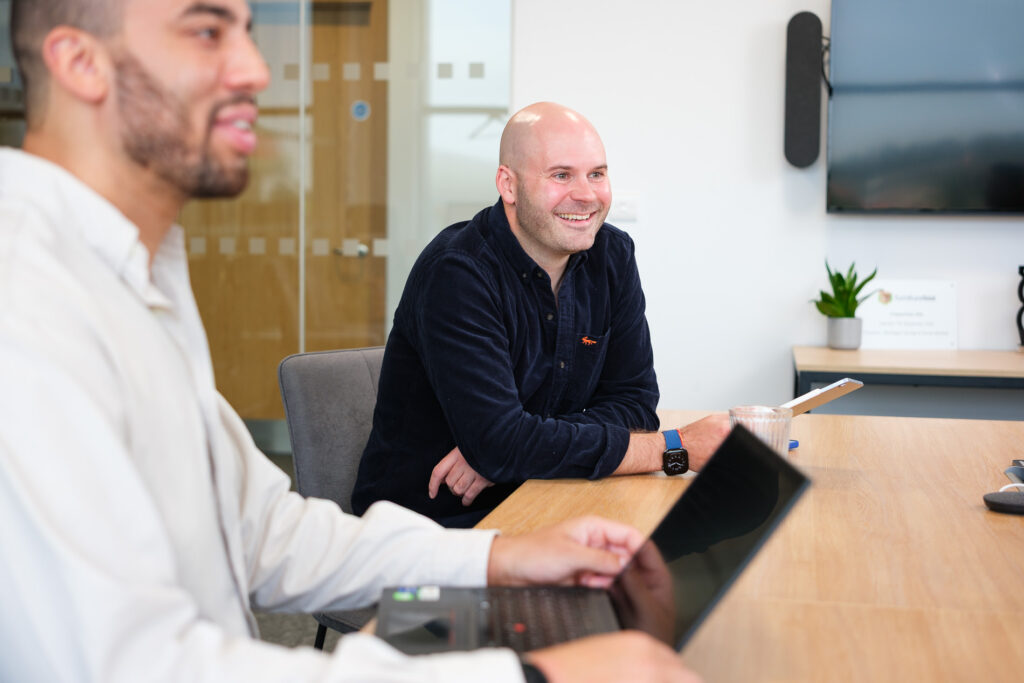
Standing out starts with showing how you work
Most professional services marketing talks about expertise. Fewer firms show it.
Storytelling photography bridges that gap by capturing moments that communicate value without saying a word:
-
A solicitor listening carefully in a client meeting
-
A tax adviser explaining options with clarity
-
A financial consultant reviewing figures alongside a client
-
An engineering consultancy collaborating around plans, on site, or in a workshop
These aren’t staged “team at laptops” photos. They’re situational images that show professionalism, warmth and connection – and help prospective clients imagine themselves working with you.
If your focus is professional services and consultancy, this kind of approach sits at the heart of storytelling photography for professional services.
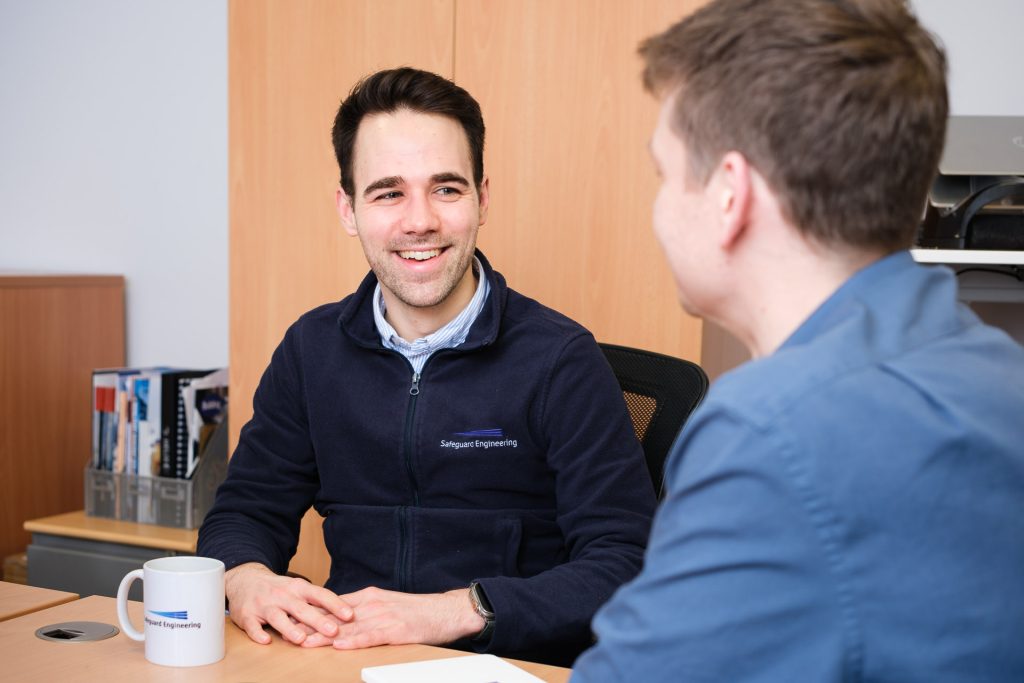

Three ways photography helps professional services firms stand out
1) Humanise expertise – without becoming informal
Professional doesn’t have to mean distant. Strong photography shows competence and approachability side by side – through natural portraits, team imagery with personality, and the small cues of how you communicate (listening, explaining, collaborating).
2) Show the work – including client interaction
If a prospect can’t picture what working with you looks like, they tend to default to safer choices – bigger brands, referrals, or whoever feels most established online.
“Team in action” imagery becomes more powerful when it includes client-facing moments, such as:
-
Consultations and advisory meetings
-
Workshops and review sessions
-
Presentations and on-site visits
If you want to explore this theme in more detail, this guide on showing your team in action is a useful reference.
3) Create consistency across touchpoints
Professional services firms rarely lose work because of one bad photo. It’s usually a build-up of small signals – inconsistent headshots, dated website imagery, stock photos that could belong to any firm, and a LinkedIn presence that doesn’t match the website.
A well-planned shoot creates a consistent image library you can use across:
-
Website pages and bios
-
Proposals and presentations
-
Recruitment and employer branding
-
LinkedIn content and thought leadership
Consistency doesn’t just look better – it reduces friction in the buying decision.
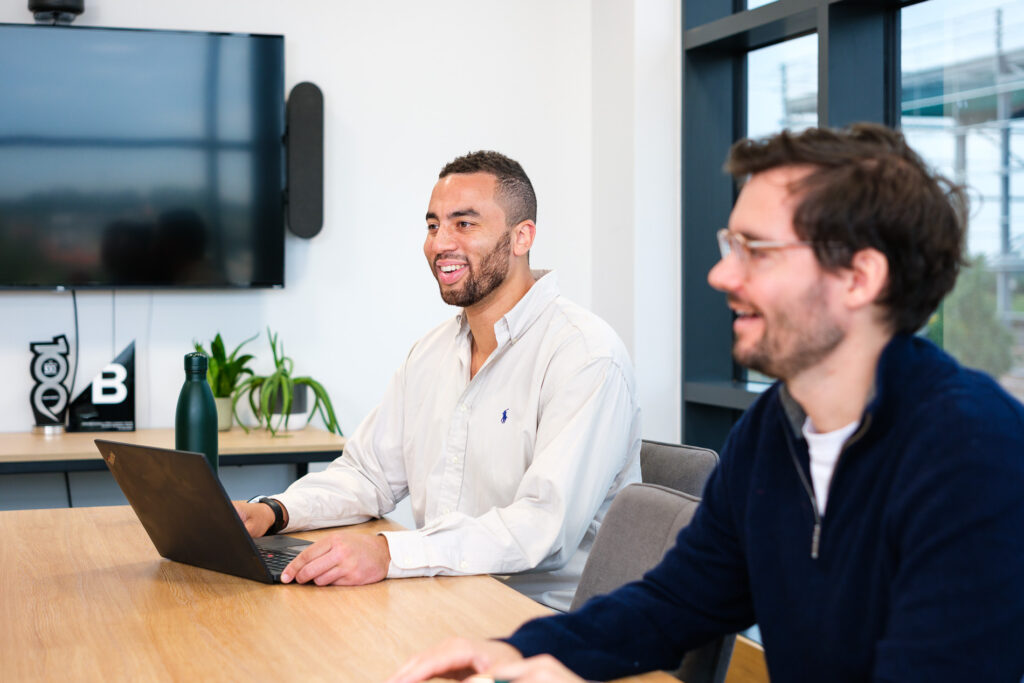

The image library most professional services firms actually need
It helps to think in terms of an image library rather than a one-off shoot. Here are the categories that cover most needs.
Leadership and key people
-
CEO or Managing Partner portraits
-
Partner or director portraits
-
A small range of variations for different uses (website, press, LinkedIn)
Team headshots (consistent, not identical)
-
A cohesive look across the team
-
Enough variation to feel human
-
A style that still works when new starters join
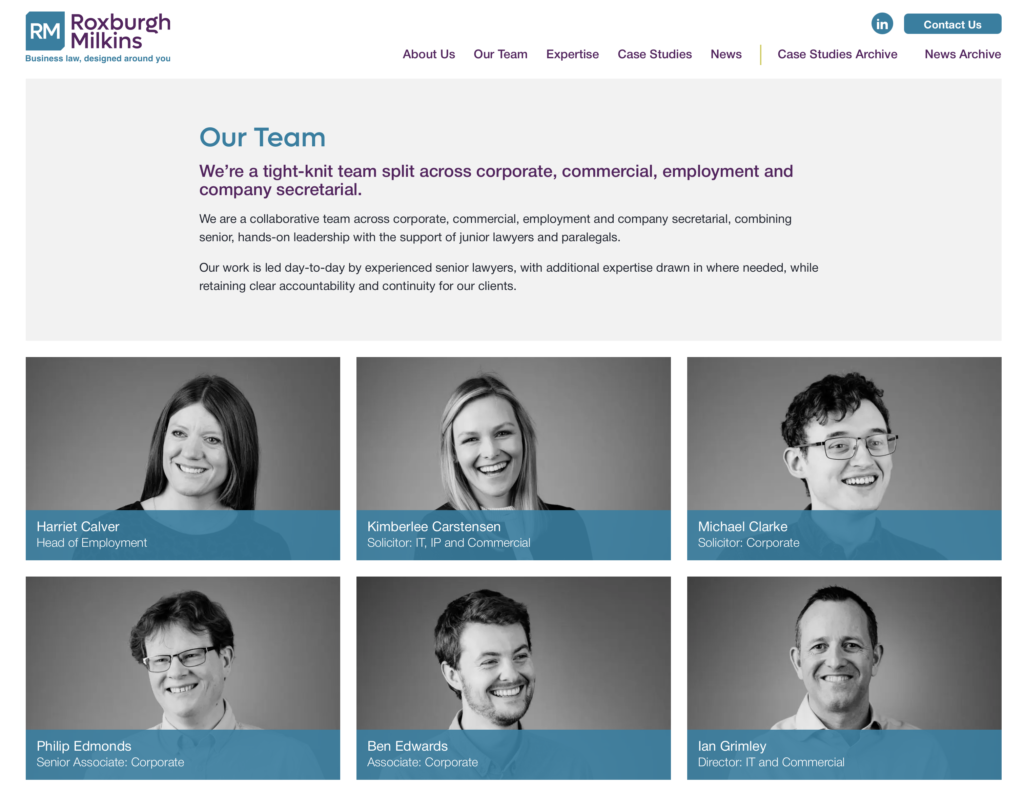
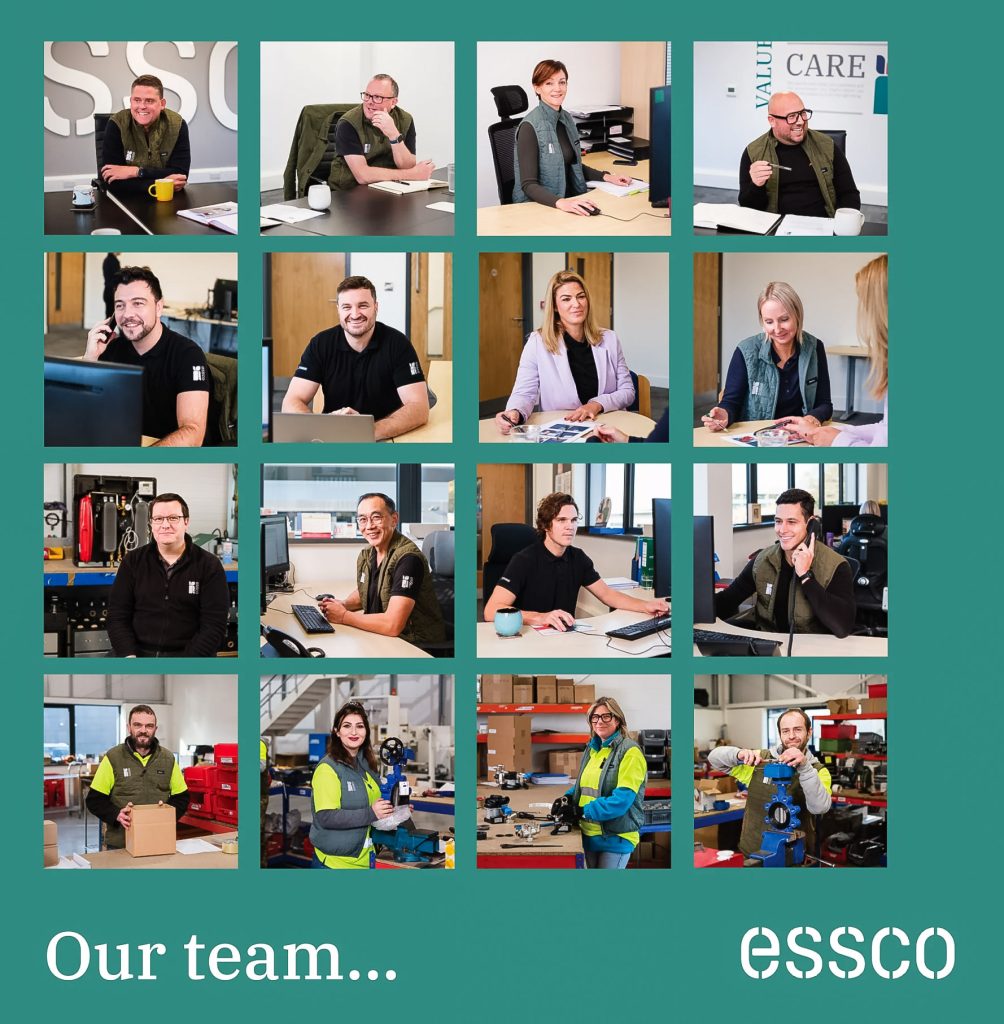
A good example is this case study with Roxburgh Milkins, where relaxed, professional headshots capture both consistency and individual personality within a law firm.
Team in action
-
Meetings, working sessions and collaboration
-
Mentoring, reviewing and advising
-
The real rhythm of your work
Working with clients
Often the highest-trust category in professional services – because it demonstrates the experience.
-
Listening and understanding
-
Explaining and advising
-
Reviewing information together
(If confidentiality is a concern, these can be planned carefully using angles, staging and consent – without losing authenticity.)
Context and environment
-
Office spaces and meeting rooms that feel calm and credible
-
Details that support your brand
-
Wider shots that establish setting and scale
If you’re considering a shoot involving multiple people, this guide on planning a team photography day is a helpful starting point.
Location matters more than most firms realise
Your location sets the tone and look of your images instantly – especially in professional services, where office environments often reflect how a firm works: considered, calm and professional.
If your business has invested in a well-designed space and you’re proud of it, good photography should make the most of that – meeting rooms, breakout areas, welcoming reception spaces and the places where client conversations actually happen.
For a deeper look at how setting influences perception, this guide on choosing the right location for your photo shoot explores what different locations communicate and how to use them effectively.


Website photography: credibility, clarity and conversion
For many professional services firms, the website is where trust is either built or quietly lost.
A prospect might arrive from a referral, a Google search, a directory listing or LinkedIn – and your website becomes the due diligence step.
Your photography has to do several jobs at once:
-
Reinforce professionalism and competence
-
Support clear messaging – what you do, who it’s for, why you
-
Make the firm feel real and present, not generic
-
Show warmth and connection – because people buy from people
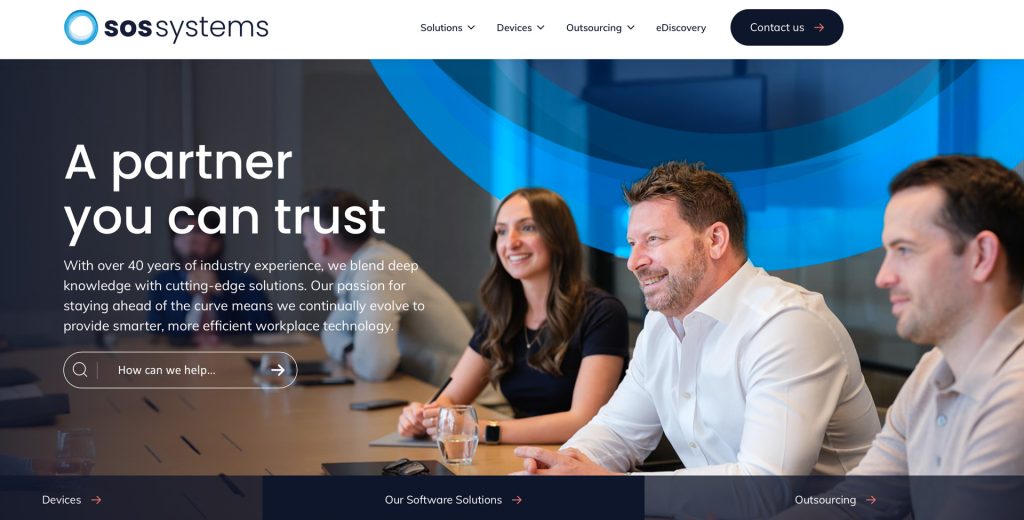
If your site is being refreshed, rebuilt or repositioned, this overview of website-led photography explains how imagery can support clarity, trust and conversion.
Common mistakes that make firms blend in
Over-relying on stock imagery
Stock can look polished, but it rarely feels authentic – and it can’t show your people, your culture, or how you work with clients. Bespoke photography builds trust faster because it’s recognisable, human and real.
Inconsistent headshots
If headshots have been updated in batches over several years, the website can feel disjointed even if the design is strong.
No imagery of real work happening
If all your images are portraits and office exteriors, prospects don’t get a sense of how you operate – or what working with you actually involves.
Too much “performance”, not enough reality
Stiff, staged images can make people feel they’re being marketed to. Calm, authentic images tend to land better in this sector.
Treating photography as a one-off
The best results come when photography is planned as a reusable library that supports your next 12–24 months of marketing and recruitment.
For a broader perspective, this article on how team photography adds value to your business expands on that long-term view.

A simple, low-stress way to plan professional services photography
Professional services teams are busy. Billable time matters. Planning needs to be efficient.
1) Start with outcomes
What needs to change as a result of better photography? A more credible website, stronger LinkedIn presence, clearer recruitment story, or a better sense of how your team works with clients.
2) Audit what you already have
What’s still usable? What feels dated? Where are the gaps? Often the issue isn’t “we don’t have photos” – it’s “we don’t have the right photos”.
3) Build the shoot around real stories
Plan around what you actually do: meetings, reviews, advisory sessions, collaboration, client touchpoints and the environment clients experience.
4) Create a practical shot list
A good shoot day is structured to capture variety efficiently – not to chase perfection.
This guide on planning your business photography walks through the process in more detail.

Frequently asked questions
Do we need storytelling photography if we already have headshots?
Headshots are a great foundation, but storytelling photography adds context – it shows how you work, how clients experience your service, and what makes your firm distinct.
What if we can’t photograph real clients?
That’s common. Client-facing imagery can be created using consent-led planning, careful angles and scenarios that feel real without breaching confidentiality.
How often should we update photography?
Many businesses refresh headshots every couple of years. Storytelling imagery can last longer if it’s planned well, but it’s worth keeping website and LinkedIn imagery current – especially around leadership and team changes.
Can we do this without disrupting the day job?
Yes. A well-planned shoot is designed to minimise disruption – and to create a broad range of images you can use across multiple channels in a short space of time.
Bringing it together
In a competitive professional services market, standing out isn’t about looking flashy. It’s about looking credible, human and clearly positioned.
The right photography helps you:
-
Build trust quickly
-
Show how you work with clients
-
Create consistency across your website, LinkedIn and marketing
-
Make it easier for the right people to choose you
If you’d like to sense-check what would make the biggest difference for your business, you’re welcome to book a consultation call. There’s no obligation – just a practical conversation about what you need and how a shoot could be structured.
