

When you’re planning your new business photography, one of the biggest decisions you’ll make is where the images will be created. The location shapes the feel of your photos – from how professional your team appears, to how confident your brand looks and how your story connects with your audience.
Choosing the right setting doesn’t have to feel complicated. With a little guidance, I’ll help you choose a location that supports your message, works for your team, and gives you a bank of high-quality images you’ll be proud to use across your website, social channels, campaigns and PR.
As a business photographer, my role is to make this part of the planning feel straightforward. Below, I’ll guide you through the key things to consider when choosing the right photography location, with examples from real projects and common business scenarios.
Why the right location matters
Choosing the right business photography location plays an important role in strengthening your story. Whether you’re highlighting your team culture, your workspace or the service you deliver, the environment around you plays an important role in how your audience interprets the images.
The right location also supports the practical flow of the day. It helps people feel relaxed, provides space to work efficiently and allows for a range of natural and varied images.
1. Your workspace: the most authentic option
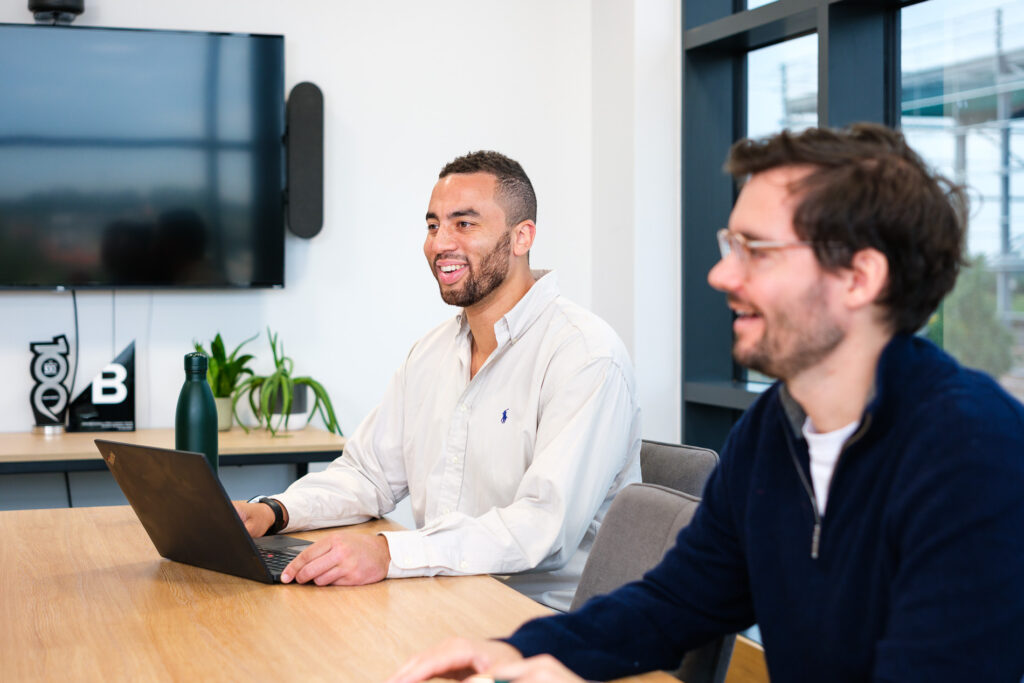
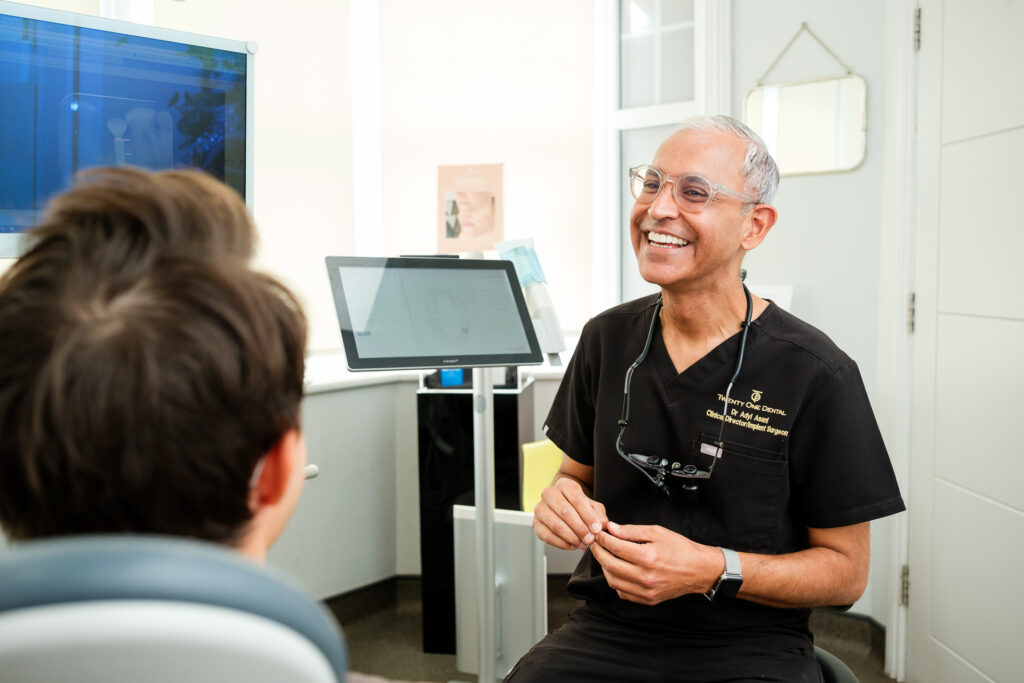
For many SMEs, photographing on-site is the simplest and most effective choice. It shows your team doing what they do every day, in a familiar environment. This approach works particularly well for business storytelling photography, where the goal is to capture people, culture and context in a way that feels genuine and engaging.
There are practical benefits too. Photographing on site keeps everything in one place, allowing your team to carry on with their day while the photo session fits around normal work. It also removes the need for hired space and means we’re working in a familiar environment, which helps everything run more smoothly on the day.
Situations where your workspace naturally supports great storytelling
- Bright open areas that feel welcoming and help set the tone for your images
- Spaces where collaboration, meetings and day-to-day moments naturally unfold
- Areas where interior details subtly reinforce your brand identity
- Environments where your team feels relaxed, confident and comfortable on camera

Scenarios where the workspace may not work so well
Some workspaces don’t translate as well into photographs – for example, areas that are very small, dark, cluttered or visually distracting. In these situations, we can still create strong images by choosing the best angles, using specific rooms or supplementing with secondary locations. The results will often work well, but the storytelling opportunities may be more limited.
2. Using a meeting room or dedicated space
Sometimes the best location is a clean, controlled space such as a boardroom, studio or large meeting area. These spaces give us the freedom to create consistent lighting, adjust backgrounds and create a calm environment for headshots or team portraits.
This approach works particularly well when you need cohesive imagery for LinkedIn profiles, team pages, PR features or onboarding packs.


3. Choosing outdoor locations
Outdoor spaces can be an excellent choice for businesses wanting relaxed, informal or editorial-style images. Natural light and open space help create a more approachable look.
Outdoor locations are particularly effective for businesses whose work happens outside. This might include organisations in construction, building and infrastructure, landscaping, environmental services or specialist industries that operate on-site rather than behind a desk. Photographing people in the environment where they deliver their service helps communicate a more authentic story.
Weather and how busy the area is are considerations, but both can be managed with planning and backup options.


4. Hiring a venue or external location
Sometimes a business needs a setting beyond their own space – for example, for a campaign launch, a new brand identity, more stylised imagery or simply because the workspace isn’t suitable.
Hiring a venue offers more creative control and can deliver a polished, high-end look. Co-working spaces, event venues, hotel interiors or architectural settings can all reinforce your brand values when chosen carefully.


5. Events and live locations
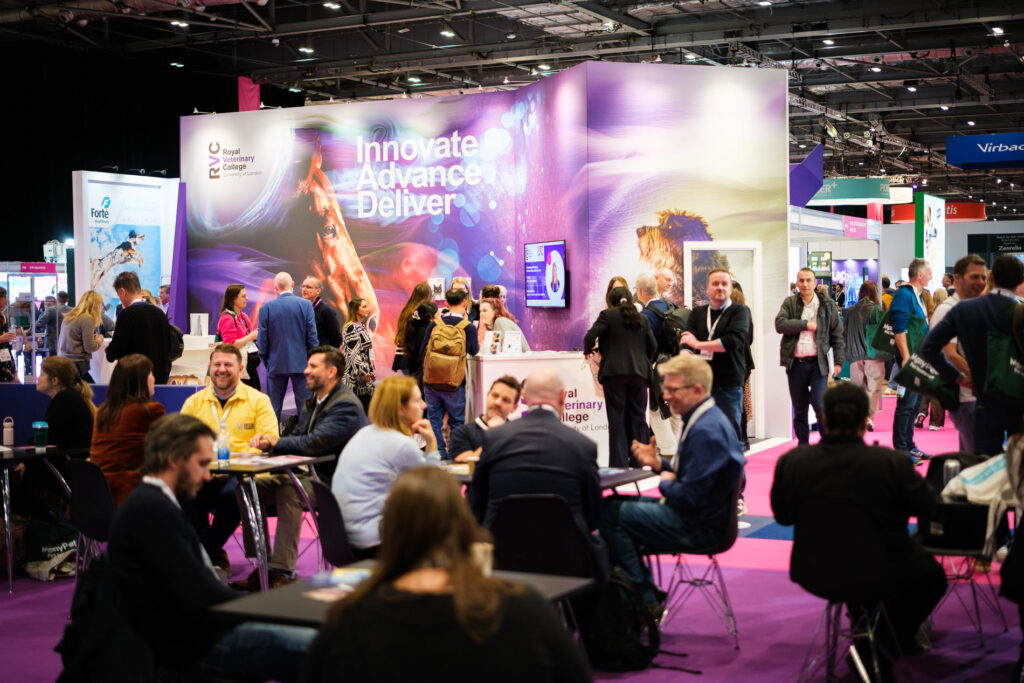
If you’re capturing images at a conference, workshop or launch, the location is already set – but how you use it makes a big difference.
Elements that work well in event spaces
- Modern and clean backgrounds
- Visually attractive areas with space to create depth in the images
- Architectural styles that feel aligned with your brand
- Interesting or directional light
- Angles that avoid clutter and crowds
Even in busy environments, there are often quieter spaces that we can use to create visually engaging images and more variety.


6. Thinking practically: light, space and flow
Light
Great natural light is a strong starting point, and mixed or artificial light can work beautifully with the right approach. I’ll assess the space beforehand and bring lighting if needed.
Space
Having more space to work in gives us creative flexibility. It allows for a wider range of angles, the use of longer lenses, and more depth and separation in the images, helping create photographs that feel more natural, engaging and visually interesting.
Flow
Choosing locations that are easy to access and rotate people through helps everyone feel relaxed and keeps the photo session running smoothly.
7. Planning together: I’ll help you choose the best setting
You don’t need to have all the answers before we begin. Part of my role is to help you choose locations that feel aligned with your brand and plan a sequence that allows the photoshoot to run smoothly.
The goal is always the same: to create authentic, confident images that support your marketing, website and PR activities for the long term.
Ready to plan your next project?
If you’d like help deciding what will work best for your business, I’d be happy to guide you through the process.
