

For many businesses, photography is something that still gets booked reactively – a website deadline appears, new starters need headshots, or an event suddenly needs covering.
But taking a more considered approach to photography across the year ahead can make a huge difference. The businesses that get the most value from their images are the ones that plan ahead, think about what their photography needs to do, and treat it as part of their wider marketing and communication activity – not a last-minute task.
If the year ahead is about looking more confident, more credible, and more human, a bit of forward planning goes a long way.
This guide is designed to help you do exactly that – calmly, practically, and without overcomplicating things.
Start with your business goals – not a shot list
Before thinking about locations, logistics, or who needs photographing, it’s worth stepping back and asking a simple question:
What do we actually need our photography to help us achieve across the year ahead?
That might include:
-
Refreshing your website so it better reflects who you are now
-
Improving how your team appears on LinkedIn and in proposals
-
Supporting recruitment and employer branding
-
Creating more authentic content for marketing and PR
-
Documenting key events or milestones
When photography is planned around outcomes rather than individual images, it becomes far more effective – and much easier to prioritise.
If this way of thinking resonates, you may also find this useful:
How business storytelling photography helps you build trust with potential clients
Do a quick image audit before booking anything
A simple image audit will often reveal more than you expect – and it doesn’t need to take long.
Look at:
-
Your website (homepage, About page, and key service pages)
-
Team and headshot imagery
-
Case studies and proposal documents
-
LinkedIn and other professional channels
Ask yourself:
-
What feels dated?
-
Where are we relying on stock imagery?
-
Are our people represented consistently?
-
Do these images still reflect the business we are today?
This process usually makes the gaps very clear – and helps shape what type of photography will deliver the most value.

Match the type of photography to the outcome you need
Different business goals call for different types of photography. Rather than treating all projects the same, most organisations benefit from a thoughtful mix designed around specific outcomes. Below are four main categories and how they help.
Business storytelling photography
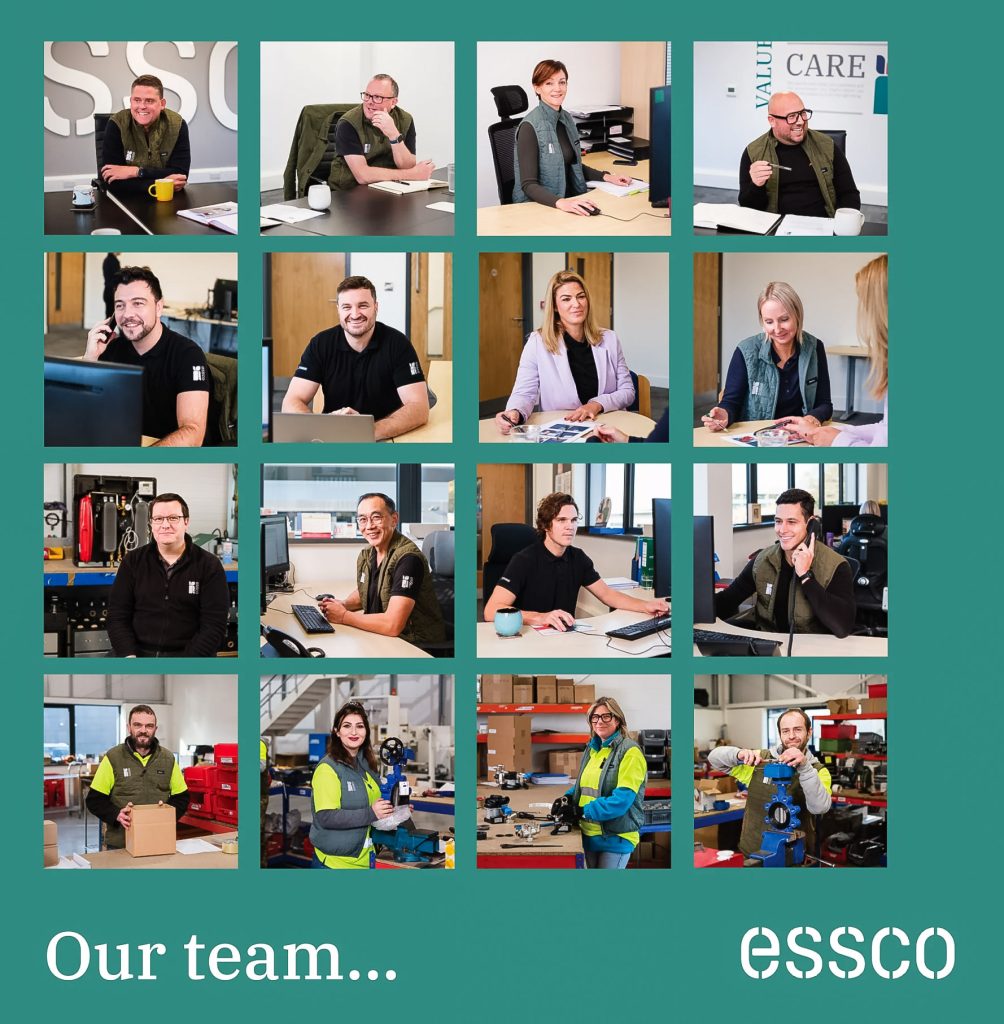
This remains the anchor of many visual strategies. Storytelling photography captures people in context — your team working together, leaders in action, and the real environments behind the business. These images help potential clients and partners understand who you are and build trust well before a conversation begins.
Team photography
Team photography focuses on the group dynamic — how your people relate to each other and the broader business environment.
Rather than a series of unrelated portraits, good team photography shows:
-
Collaboration between colleagues
-
Your culture and working style
-
Real interactions that hint at how you work with clients
This is especially useful on:
-
About pages
-
Team overview sections of websites
-
Brochures and internal comms
Because it’s cohesive, it helps to give your business a consistent visual identity across all touch points.
Business headshots
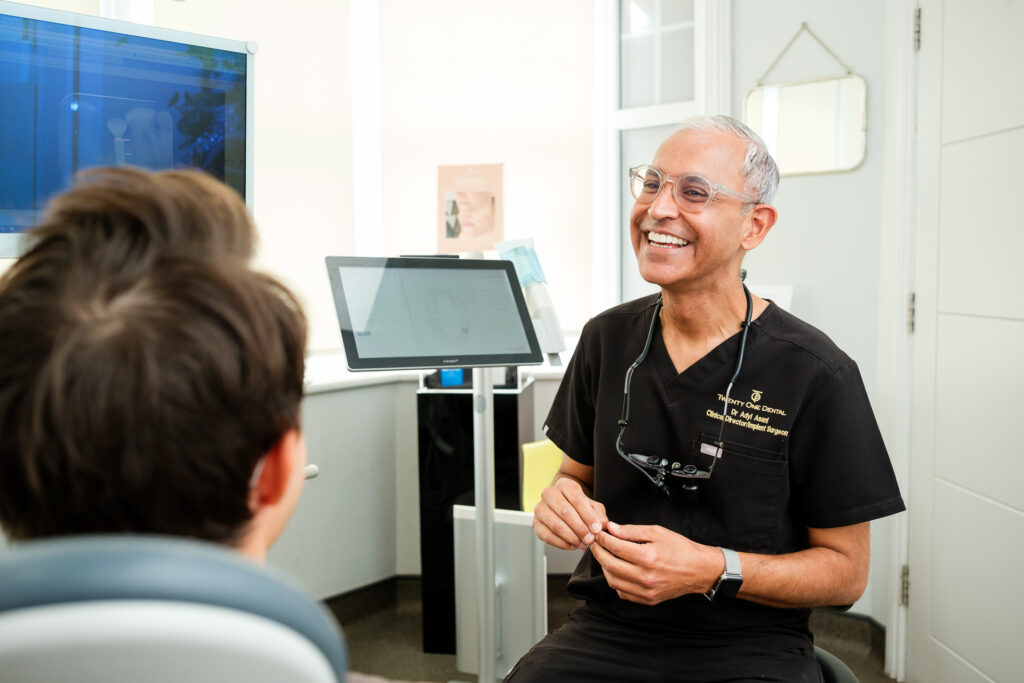
Professional business headshots remain an essential visual asset — whether the focus is individual leaders, client-facing team members, or your wider staff.
High-quality headshots help:
-
Build personal credibility online (especially LinkedIn)
-
Bring your website to life with relatable, professional faces
-
Improve response and engagement in proposals and pitches
Headshots are often planned as part of a larger team day but can also be prioritised independently depending on your needs.
Headshots can be:
-
Classic and formal
-
Natural and relaxed
-
Environmentally contextual (e.g., in your workspace)
They should always reflect the personality and positioning of your brand.
Event photography
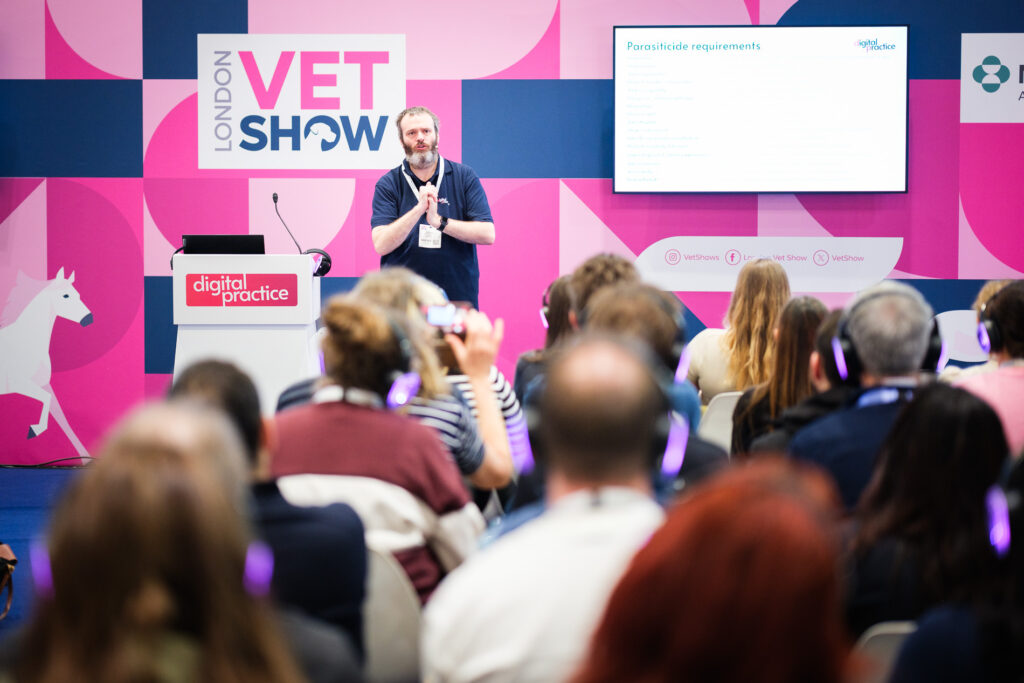
Events provide valuable “proof points” — whether internal milestones, client conferences, or sector summits. Planning event photography in advance ensures the images you capture can be used effectively across marketing, PR, and internal communications afterwards.

Locations, logistics, and look – the three decisions that shape everything
Once you’re clear on what you need, three practical decisions shape the final result.
Location
Your office, client sites, outdoor spaces, or hired venues all communicate different things. Choosing locations that genuinely reflect your business is key.
Logistics
Coordinating diaries, minimising disruption, and planning the flow of the day is especially important for team and headshot photography.
Look and feel
Clothing choices, backgrounds, and how formal or relaxed the images feel should align with your brand and audience.



Why website photography often sits at the centre of it all
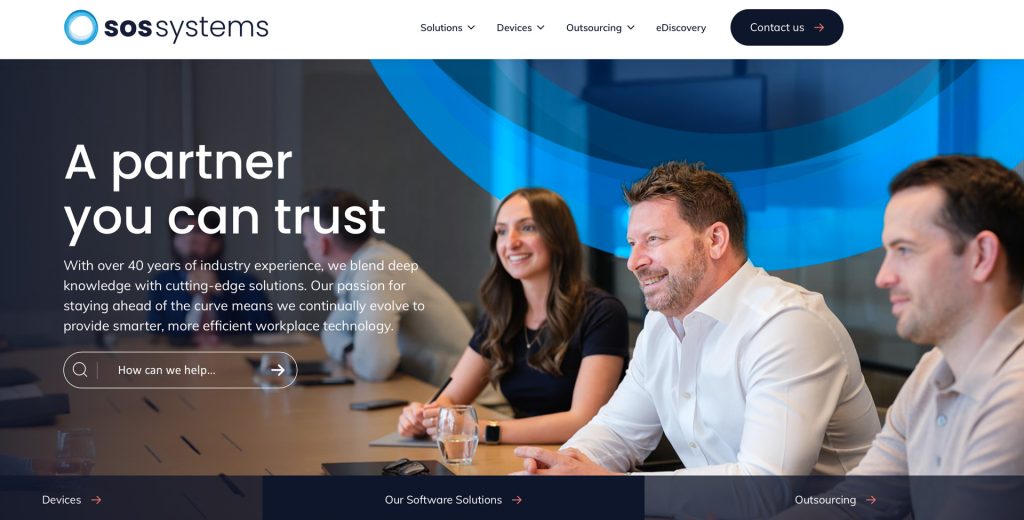
In practice, a high percentage of business photography projects start with a website refresh or redevelopment.
That’s because the website is usually the anchor point for everything else – marketing, recruitment, proposals, and social content all draw from the same image library.
Planning website photography properly often creates a knock-on benefit across multiple channels and helps ensure consistency throughout the year.


A simple planning timeline that works
A straightforward timeline keeps things calm and manageable:
6–8 weeks out
Clarify objectives and priorities.
3–4 weeks out
Confirm locations, schedule people, and sense-check logistics.
1 week out
Finalise timings, prep spaces, and communicate expectations.
On the day
A well-structured shoot that feels efficient and relaxed for everyone involved.
This approach removes pressure and leads to more confident, natural imagery.
Use a checklist to keep things simple
If you’d like a practical way to sense-check your planning, I’ve put together a Business Photography Planning Checklist that guides you through the key considerations step by step.
It’s designed to help you think about people, locations, usage, and timing – whether you’re planning a full storytelling shoot or a focused headshot day.
Planning now makes everything easier later
You don’t need every detail locked down at the start of the year. But having a clear sense of priorities – and a rough plan for when different types of photography will happen – makes the whole process more effective and far less stressful.
If it helps, I’m always happy to have a quick, informal conversation to sense-check ideas and help you decide the right approach for your business.
Next steps
Start with the checklist, review your existing imagery, and see where the gaps are. From there, planning your photography across the year ahead becomes much simpler – and far more valuable.
